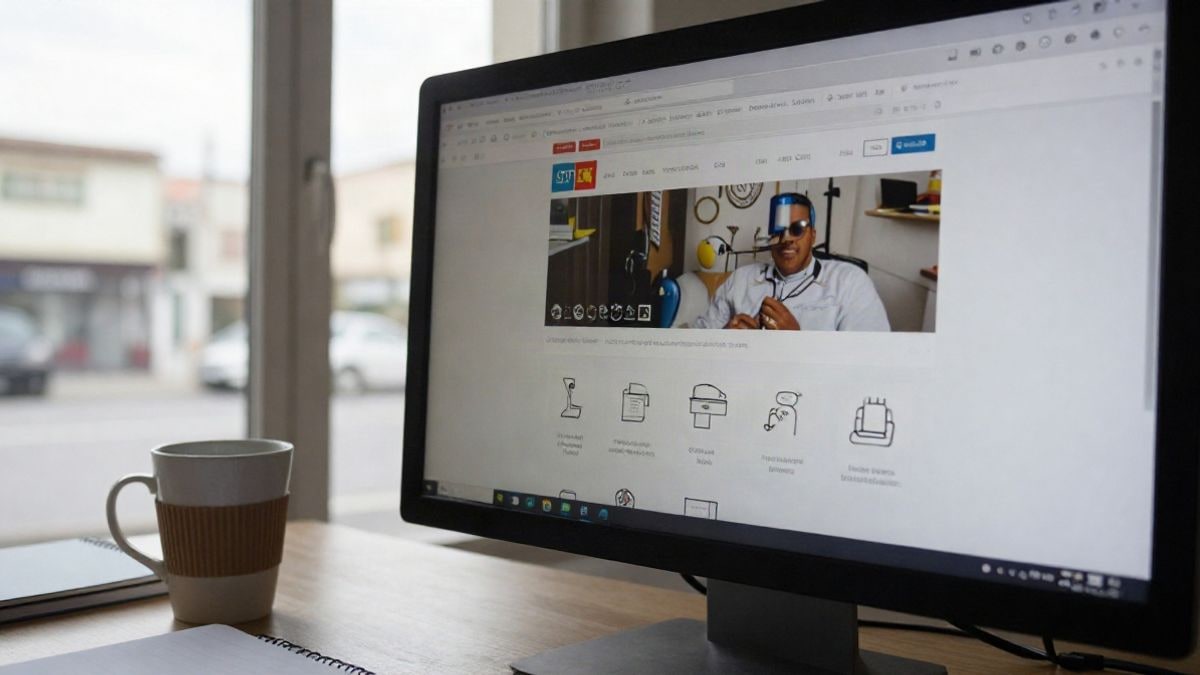
The Tres Cantos City Council has published a digital guide that centralises municipal, regional, and national services for people with disabilities and their families. It includes aid, training, employment, and leisure.
The City Council of Tres Cantos, through the Department of Family and Equality, has launched a new online guide that brings together all the resources and services available for people with disabilities and their families. The practical tool allows users to locate municipal, regional, and national information about aid, training, employment, mobility, and leisure in one place.
The councillor for Family and Equality, Sonia Lolo, explained that the guide offers “a broad view of the existing support in social care, personal autonomy, accessibility, education, mobility, or sports.” She also noted that “it is necessary to know where to find the available resources, how to request them, and whom to contact,” and that this is the aim of this consultation tool.
Among the municipal services included are assistance, information, and advice for people with disabilities and their families, with guidance on benefits, subsidies, or disability assessment. Associations and centres, measures to eliminate barriers, guidance for job placement, legal advice, and family mediation are also included, in addition to the Municipal Social Services for Primary Social Care.
The guide incorporates practical content on mobility and accessibility, such as the parking permit for people with disabilities, reserved parking spaces, or exemption from the Vehicle Tax, along with other municipal services and discounts.
The document pays special attention to programmes aimed at people with intellectual and developmental disabilities. Among them, ‘Así Mejor’ stands out, offering workshops and activities for adults on new technologies, cooking, social and emotional skills, as well as cultural outings. Information is also provided about Early Attention centres and access to partially subsidised places by the Department of Family and Equality in collaboration with the association AMI-3.
Additionally, information is provided about the Family Respite Service for children and young people from two years old, as well as the supervised flat available in the city and the training home for independent living, managed by AMI-3. The guide also facilitates access to the associative network and entities working in Tres Cantos, and to resources for job inclusion and barrier removal in private homes and communities of property owners.
For more personalised attention, the Disability Area is located at the Centre for Family and Equality, at Plaza de la Estación, 4. Attention is by appointment only, Monday to Friday, from 9:00 to 14:00, at the phone number 91 293 82 12 or via email personascondiscapacidad@trescantos.es.
The second section of the tool collects the main resources from the Community of Madrid and national level, providing guidance on economic benefits, specialised centres, tax benefits, dependency, housing, training, employment, health, and Social Security.
Lolo emphasised that “Tres Cantos has an important network of services, programmes, and entities that work to support people with disabilities at different stages of their lives.” The councillor added that they will continue to work “to promote their autonomy, participation, and full inclusion in the life of the city.”
All the information can be consulted on the municipal website of the Department of Family and Equality: https://web.trescantos.es/area_municipal/personas-con-discapacidad-2/
You may also like