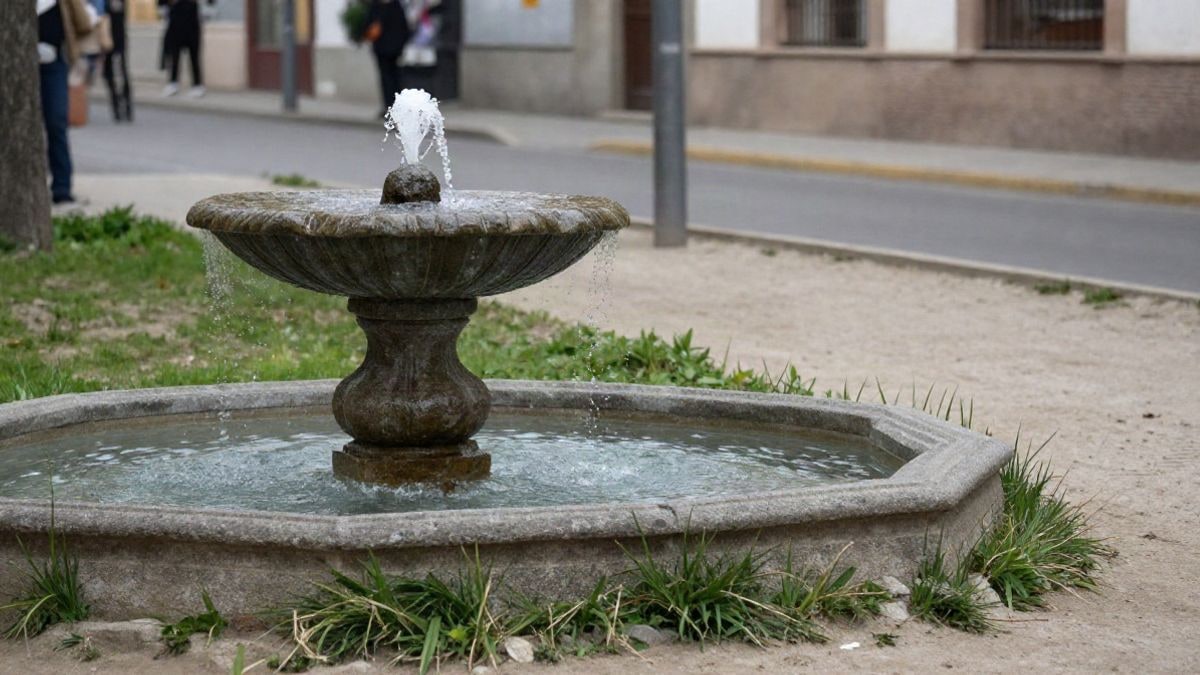
The Colmenar Viejo Town Council has begun the restoration of the Fuente del Moralejo, a 16th-century site, with cleaning, pollinator islands, and nesting boxes. The project will extend to other areas of the municipality.
The Town Council of Colmenar Viejo has launched a project to promote biodiversity of fauna and flora and to highlight ‘urban oases’, unique spaces within the urban area with historical and environmental value. The first action has been carried out at the Fuente del Moralejo, considered the oldest historical fountain preserved in the municipality, with origins dating back to the 16th century.
According to the Councillor for the Environment, Agustín de la Fuente, the aim is to protect not only large natural areas such as the Dehesa de Navalvillar, the surroundings of the Regional Park of the Upper Manzanares Basin, or the Cerro de San Pedro, but also the small natural and heritage enclaves integrated into parks and green areas.
Colmenar Viejo has an extraordinary natural and historical heritage, but this unique wealth is not only found in the rural area. It is also present within our urban area, in our parks, streams, and green spaces. With this project, we want to recover these small treasures, protect them, and ensure that residents are aware of these ‘oases’ that they can enjoy very close to home,” the councillor stated.
The Fuente del Moralejo is located next to the Arroyo del Espino and for centuries was part of the traditional network of water supply points in the vicinity of the old town. The urban growth of Colmenar Viejo integrated it into the fabric of the city, where historical heritage, fauna, and flora now coexist.
The actions in this enclave include the cleaning and general conditioning of the environment, with special attention to improving paths and trails to facilitate the movement of residents and visitors. An environmental island has also been created to support pollinating insects, and refuge boxes and nesting boxes for bats and birds have been installed, contributing to the biological control of insect populations.
Additionally, information panels about amphibians, reptiles, insects, and birds, as well as the history of the fountain, have been placed to raise awareness about the species and their conservation. The action also aims to improve accessibility by regularising and delineating the land at the access points to the fountain.
The project will continue in the coming months in other unique enclaves of the municipality, such as the accessible quarries of the Doctor Bachir Park in the La Estación neighbourhood and the side of the Arroyo del Pozanco.
You may also like